Amazon SEO for Beauty: What We’d Do, and Why
If your beauty brand wants to succeed on Amazon in 2026, the first thing to accept is that keywords alone won’t drive results. Shoppers scroll fast, compare relentlessly, and make split-second decisions based on clarity, trust, and context. That means your SEO strategy must go beyond fitting the algorithm—it has to create a listing ecosystem where every element works together: titles, bullets, backend terms, PDP copy, reviews, Brand Store, and A+ content.
At INNELS, we approach beauty SEO like a full-service launch. Every component is carefully planned to convert and reinforce brand authority.
Shoppers need to understand your product in seconds, not minutes. If the listing isn’t instantly clear, no amount of traffic will convert.”-Founder, Mark Daniel Zalomajev
Keyword Research: Intent Before Volume
Keywords in beauty aren’t just search terms—they are signals of shopper intent and decision-making moments. “Hydrating night cream” communicates a different need than “moisturizer” or “anti-aging serum.” We organize keywords into three functional groups. Purchase-ready terms go into the title, top bullets, and backend search terms to maximize conversion. Lifestyle or routine-focused terms support A+ content and Brand Store storytelling, creating a sense of ritual and context around the product. Branded demand ensures your product captures traffic tied to your brand before competitors can.
We see brands chasing generic search volume and losing sight of what drives conversion. Clarity beats chaos every time.”-PPC Manager, Niks Saknitis
Indexing and Backend Terms: Cover Every Relevant Search
Indexing is critical to ensure your product appears in all relevant searches. We carefully optimize backend search terms to include synonyms, variations, and key ingredients, while avoiding duplicates or prohibited claims. These terms are updated regularly based on search-term reports to maintain relevance. Treat backend terms as a supporting tool; each word should have a clear purpose in improving discoverability.
Titles and Bullets: Instant Clarity Wins
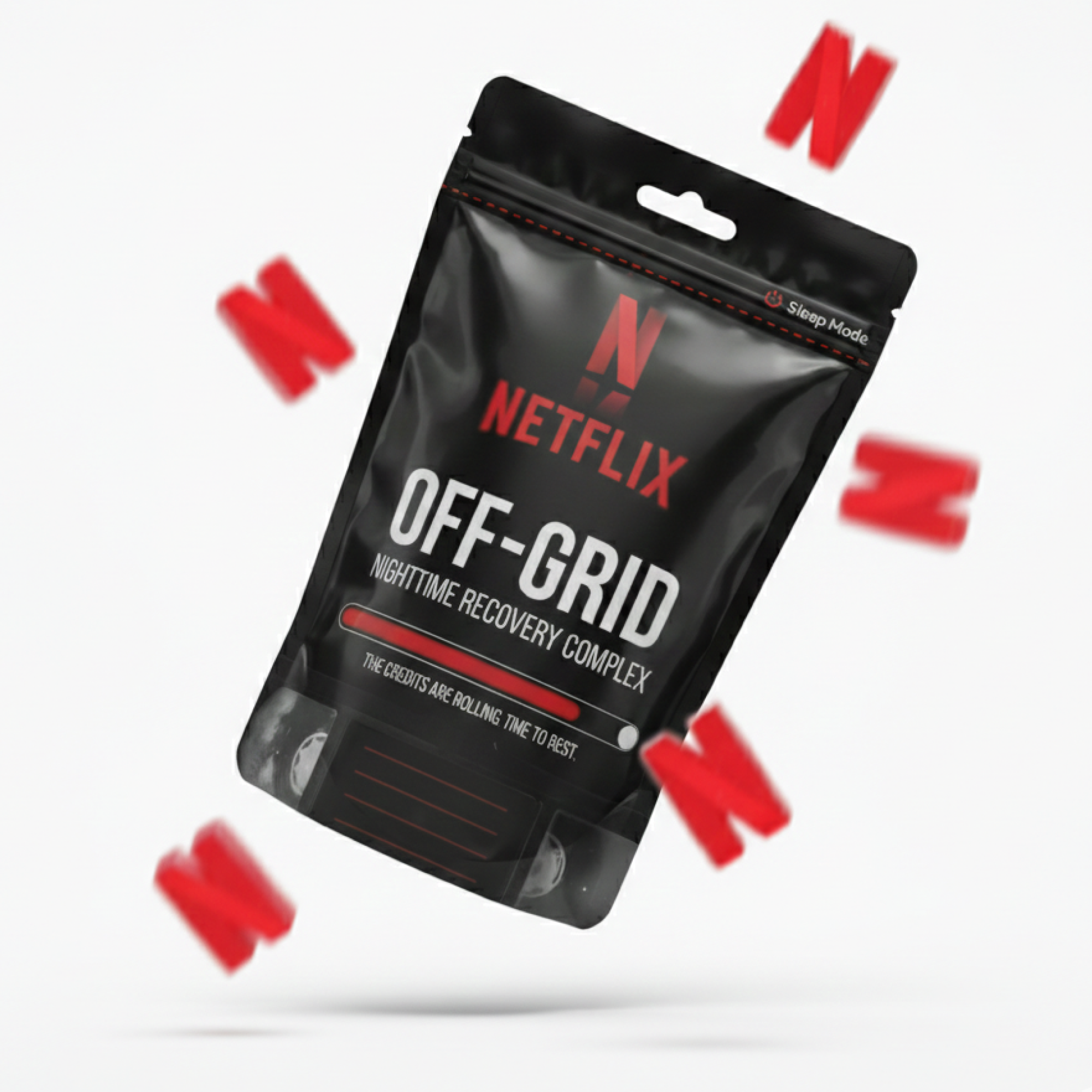
A product title must signal what the product is and why it matters immediately, naturally including the highest-priority keywords. Bullets expand on benefits and trust points, emphasizing certifications like “dermatologist-tested,” “cruelty-free,” or “vegan,” without making medical claims. Images should answer the four shopper questions in order: what it is, how to use it, what’s inside, and why it’s trustworthy. Every visual element should reinforce the product story and help reduce hesitation.
Even subtle shifts in the hero image—like showing the product in a real nighttime routine—can instantly improve clarity and conversion.”-PPC Manager, Niks Saknitis
Practical tip: use 2–3 supporting visuals alongside the hero image to convey benefits, usage, and ingredients efficiently.
Reviews: Build Credibility Safely
Reviews remain one of the most powerful signals for organic ranking and shopper trust. We encourage early, compliant reviews by guiding shoppers to provide experience-based feedback focused on texture, scent, and routine fit rather than generic praise or incentivized testimonials. Steady review velocity is far more valuable than rapid spikes, which can appear suspicious and undermine credibility.
Brand Store and A+ Content: Mini-Landing Pages That Convert
A Brand Store should feel premium, scroll-friendly, and lifestyle-driven. Tiles can showcase routines, product families, or bundles, all with compliant, benefit-oriented language. Maintaining consistency between PDP, Brand Store, and A+ content ensures the shopper experiences a coherent narrative.
A+ content follows a story → proof → routine flow. Start with a lifestyle narrative that situates the product in a daily routine, highlight ingredients and “free-from” points, and end with a simple usage guide that builds confidence without overstating results.
A+ content isn’t just decoration—it’s the reassurance layer that keeps shoppers on the page long enough to buy.”-PPC Manager, Niks Saknitis
Continuous Optimization: Data Meets Human Insight
SEO is never static. We track keyword performance, CTR, conversion rates, and review growth to inform updates to listings, backend terms, and A+ content. Visuals and copy are refreshed regularly to reflect trends, while insights from PPC campaigns guide organic optimization. Prioritize clarity first, keywords second: even perfectly optimized backend terms won’t convert if the listing isn’t immediately understandable.
Beauty SEO Checklist: What We’d Execute
When planning an Amazon SEO strategy for beauty, we’d execute all elements as a connected workflow rather than isolated tasks. We start by mapping keywords by intent and placing them strategically across titles, bullets, A+ content, and backend terms. The PDP copy is crafted to answer all critical shopper questions clearly and quickly. Early review velocity is built through compliant prompts that encourage detailed, experience-based feedback. Brand Store design supports lifestyle positioning and consistency across all products, while A+ content follows the story → proof → routine framework. Finally, visuals and copy are refreshed periodically based on data, and insights from PPC campaigns are leveraged to refine organic keyword strategy. Together, this approach creates a coherent SEO ecosystem that strengthens ranking, trust, and conversion.
Final Perspective
Beauty SEO in 2026 is no longer a technical exercise—it’s about clarity, human-centered storytelling, and strategic orchestration across every brand touchpoint. At INNELS, we see the best results when listings, reviews, content, and Brand Stores are designed as a cohesive system rather than individual optimizations. Decisions are guided by data, but the focus remains on the shopper experience: every image, every word, and every interaction should make the product feel instantly understandable, trustworthy, and desirable.
For decision-makers, the lesson is clear: investing in a holistic, full-service approach to Amazon SEO isn’t optional—it’s essential for visibility, conversion, and long-term brand growth.



%20(1).png)





















.png)


.jpg)


.jpg)
.jpg)

.jpg)